
What Makes a Great Dental Nurse? Skills Every Employer Looks For
A qualified dental nurse plays a central role in the safe and efficient running of a dental practice. While chairside assistance is an important part of the job, dental nursing also involves patient support, infection prevention and control, preparation of instruments and materials, accurate record management, teamwork and responding appropriately when circumstances change.
The General Dental Council describes dental nurses as providing essential clinical support to colleagues while maintaining high standards of infection prevention and control. Dental nurses may work in general practice, hospitals, community services, specialist environments and domiciliary settings.
Employers therefore look beyond qualifications alone. They need dental nurses who can apply their training reliably, communicate confidently and contribute positively to the experience of both patients and colleagues.
Strong Patient-Care Skills
Dental treatment can be unfamiliar or stressful for patients. A good dental nurse understands that effective care involves more than preparing equipment and assisting the clinician.
Patients may arrive feeling nervous, embarrassed, uncomfortable or uncertain about what will happen. The dental nurse is often one of the first members of the clinical team to notice these concerns.
A calm and attentive approach can help patients feel more secure. This may involve welcoming them into the surgery, explaining what will happen within the limits of the nurse’s role and checking that they are comfortable before treatment begins.
The GDC requires dental professionals to listen to patients, give them appropriate time to consider information and take account of their individual views and communication needs.
Employers value dental nurses who recognise that every patient is different and adapt their approach accordingly.
Clear and Professional Communication
Dental nurses communicate with patients, dentists, hygienists, therapists, receptionists, practice managers, laboratories and other healthcare professionals.
They must be able to receive instructions accurately, pass on relevant information and raise concerns promptly.
Poor communication can result in delays, misunderstandings or mistakes. Strong communication helps the entire dental team work more safely and efficiently.
A dental nurse should be able to speak clearly, listen carefully and confirm information when something is uncertain. Written communication is equally important when updating records, completing stock documentation or recording information required by the practice.
The GDC requires registered dental professionals to communicate effectively in written and spoken English with patients, relatives, colleagues and other healthcare professionals.
The Ability to Reassure Nervous Patients
Dental anxiety is common, and a patient’s behaviour may not always reflect how they are genuinely feeling.
Some nervous patients may become quiet, while others may ask repeated questions, appear impatient or struggle to follow instructions. A skilled dental nurse remains composed and avoids making the patient feel judged.
Simple actions can make a meaningful difference. Maintaining a calm manner, acknowledging concerns and observing signs of discomfort can help the clinician respond appropriately.
Dental nurses should also recognise when a patient has particular communication needs. This may include children, older patients, people with disabilities, individuals with sensory impairments or patients who do not speak English as their first language.
Employers look for dental nurses who can provide reassurance while remaining professional and working within their scope of practice.
Effective Teamwork
Dentistry depends on close cooperation between different members of the dental team.
During treatment, the dentist and dental nurse must work in a coordinated way. Instruments, materials and equipment need to be prepared at the correct time, while the nurse must remain alert to what the clinician and patient may require next.
Outside the surgery, teamwork involves supporting colleagues, sharing relevant information and helping the practice manage busy periods.
The GDC states that dental professionals must work effectively with colleagues, contribute to good teamwork and treat colleagues fairly and respectfully.
A reliable dental nurse does not view tasks in isolation. They understand how their work affects the clinician, the patient, the next appointment and the wider practice.
Anticipating the Clinician’s Needs
An experienced dental nurse learns to anticipate the sequence of common procedures.
This does not mean acting without instruction or exceeding their professional responsibilities. It means understanding the treatment well enough to prepare the correct materials, pass instruments efficiently and recognise what may be required next.
Good anticipation helps treatment run smoothly and reduces unnecessary interruptions.
It requires knowledge of dental procedures, familiarity with the clinician’s working methods and close attention throughout the appointment.
Employers value dental nurses who remain engaged during treatment rather than waiting to be told about every routine step.
Attention to Detail
Dental nursing involves many tasks where small details matter.
The correct instrument must be available. Materials must be prepared according to their instructions. Patient records must be accurate. Decontamination processes must be followed consistently.
A dental nurse may also be responsible for checking expiry dates, monitoring stock, recording equipment tests and confirming that the surgery is ready for each patient.
Attention to detail is particularly important because dental teams often work to tightly organised appointment schedules.
A missed item or incomplete task can delay treatment and place unnecessary pressure on colleagues.
Employers therefore look for candidates who are methodical, observant and able to maintain standards even when the practice is busy.
Infection Prevention and Control
Maintaining a safe clinical environment is one of the most important responsibilities within dental nursing.
Dental nurses must understand how instruments move through the decontamination process and how clean and contaminated items should be separated.
They may be involved in cleaning, sterilising, packaging and storing instruments, disinfecting clinical surfaces and preparing the surgery between patients.
The GDC’s current scope-of-practice guidance identifies maintaining high standards of infection prevention and control as a core part of the dental nurse’s role.
Employers need dental nurses who follow established procedures every time, rather than taking shortcuts when the practice is under pressure.
Understanding Patient Confidentiality
Dental nurses regularly encounter private information about patients’ health, treatment, contact details and personal circumstances.
This information must be handled appropriately, whether it is discussed verbally, shown on a computer screen or recorded in a clinical file.
Conversations about patients should not take place where they can be overheard unnecessarily. Records should only be accessed for legitimate professional purposes.
Trainee dental nurses must receive induction covering patient safety and confidentiality before undertaking duties within a practice.
Employers value dental nurses who demonstrate tact and discretion and understand that confidentiality applies both inside and outside the workplace.
Good Organisational Skills
A dental surgery must be prepared before the patient enters.
The dental nurse may need to review the day’s appointments, identify the likely requirements for each procedure and ensure the necessary instruments and materials are available.
Organisation also extends beyond individual appointments. Stock needs to be monitored, equipment checks may need to be recorded and laboratory work must be tracked.
A well-organised dental nurse helps prevent appointments from overrunning and reduces the risk of discovering that an essential item is unavailable during treatment.
Employers look for people who can prioritise tasks, follow established systems and complete responsibilities without needing constant reminders.
Effective Time Management
Dental practices often operate to carefully planned appointment schedules.
The dental nurse must balance several responsibilities, including preparing the surgery, assisting during treatment, completing decontamination tasks and making the room ready for the next patient.
Unexpected events can disrupt the schedule. A treatment may take longer than expected, a patient may require additional reassurance or an urgent appointment may be added.
A strong dental nurse can adjust priorities without allowing standards to fall.
Good time management does not mean rushing. It means working efficiently, preparing in advance and recognising which tasks require immediate attention.
Remaining Calm Under Pressure
Dental practices can become demanding environments, particularly during emergencies, complex procedures or heavily booked sessions.
A great dental nurse remains calm and continues to follow safe procedures.
Becoming flustered can make communication less effective and increase the likelihood of something being overlooked. A composed dental nurse helps reassure the patient and supports the clinician.
Employers value people who can think clearly when plans change and who respond constructively rather than becoming visibly overwhelmed.
This confidence develops through training, preparation and practical experience.
Responding to Medical Emergencies
Dental nurses must understand how to respond if a patient experiences a medical emergency.
Their role may include alerting colleagues, obtaining emergency equipment, assisting with basic life support and following the practice’s emergency procedures.
The NEBDN Level 3 Diploma includes responding to medical emergencies among the areas covered by the qualification.
Trainees must also receive induction on how medical emergencies are managed within their workplace.
Employers look for dental nurses who take emergency training seriously and remain familiar with the location and use of relevant equipment.
Practical Clinical Knowledge
Dental nurses need a sound understanding of the procedures they support.
This includes recognising instruments, preparing materials, maintaining the operating field and following the clinician’s instructions.
The required knowledge will depend partly on the treatments provided by the practice. A general dental practice may require experience across routine examinations, restorative work, extractions and preventive procedures.
A specialist setting may require additional knowledge related to orthodontics, implants, sedation, oral surgery or another area of dentistry.
The GDC’s scope-of-practice guidance recognises that dental nurses may develop additional skills or focus their practice in a particular area where suitable competence has been gained.
Knowing the Limits of the Role
Confidence is valuable, but dental nurses must also know when a task falls outside their training, competence or scope of practice.
They should not feel pressured to carry out an activity for which they have not been appropriately trained.
The GDC’s Scope of Practice sets out the skills and abilities associated with each dental professional role and requires registrants to practise in accordance with the Standards for the Dental Team.
A responsible dental nurse asks for clarification when necessary and raises concerns if they believe an instruction may be unsafe or outside their competence.
Employers benefit from team members who exercise sound professional judgement rather than pretending to understand something they do not.
Reliability and Punctuality
Dental teams depend on each other.
When a dental nurse is repeatedly late or absent without appropriate notice, it can affect appointments, colleagues and patients.
Reliability also means completing agreed tasks and following through when an issue has been identified.
An employer should be able to trust that the surgery will be prepared, records will be completed and essential checks will not be overlooked.
Qualifications may help a candidate secure an interview, but dependable day-to-day performance is often what makes someone a valued long-term member of the practice.
A Positive and Professional Attitude
Dental nurses work closely with patients and colleagues throughout the day.
A negative or dismissive attitude can influence the atmosphere within the surgery and affect the patient experience.
Professionalism involves remaining courteous, accepting appropriate feedback and treating colleagues and patients respectfully.
It also means avoiding workplace gossip, maintaining suitable boundaries and representing the practice responsibly.
A positive attitude does not require someone to appear cheerful at every moment. It means approaching the role constructively and behaving consistently even during difficult periods.
Adaptability
No two working days in a dental practice are exactly the same.
Appointments may change, equipment may require attention and clinicians may need to adjust treatment plans.
Dental nurses may also work with different dentists whose routines and preferences vary.
An adaptable dental nurse can adjust without losing focus on patient safety or professional standards.
Employers look for people who are willing to learn new systems and respond positively when the practice introduces different equipment, procedures or technologies.
Digital Confidence
Modern dental practices increasingly rely on digital systems.
Dental nurses may use practice-management software, digital radiography systems, electronic patient records, scanners and other clinical technologies.
They do not need to understand every system before starting a new role, but they should be willing and able to learn.
Digital confidence includes entering information accurately, following data-security procedures and asking for assistance where necessary.
Employers often prefer candidates who approach technology with curiosity rather than resistance.
Respect for Health and Safety Procedures
Dental practices contain clinical equipment, sharp instruments, chemicals and materials that must be managed safely.
Dental nurses must follow relevant health and safety procedures and understand their responsibilities within the workplace.
NEBDN identifies infection control and workplace health and safety as key responsibilities associated with dental nursing qualifications.
Safe working includes disposing of sharps correctly, reporting incidents, using protective equipment and following procedures for hazardous substances.
Employers need team members who treat these requirements as essential rather than optional administration.
Accurate Record-Keeping
Patient records form an important part of safe dental care.
Although the clinician remains responsible for recording clinical decisions appropriately, dental nurses may assist with documentation and administrative processes within the practice.
Information entered into a record must be accurate, clear and completed at the appropriate time.
Dental nurses may also maintain records relating to decontamination, equipment testing, stock and laboratory items.
Strong written skills and attention to detail are therefore valuable throughout the role.
Manual Dexterity and Coordination
Chairside dental nursing requires practical coordination.
A dental nurse may need to handle instruments, operate suction and manage materials while maintaining a clear working field.
These tasks must be completed without causing unnecessary discomfort or obstructing the clinician.
Practical confidence develops through supervised training and repeated experience.
Employers recognise that newly qualified dental nurses will continue to develop speed and fluency. They will still expect safe technique, careful handling and a willingness to improve.
Emotional Awareness
Dental nurses regularly meet people who are experiencing pain, anxiety or difficult personal circumstances.
Emotional awareness helps the nurse recognise when a patient needs more support or when a colleague may require assistance.
It also helps the nurse manage their own reactions. A patient who is distressed or uncooperative should still be treated respectfully.
Empathy should be balanced with professional boundaries. The nurse’s role is to support the patient without making promises, offering diagnoses or giving advice outside their competence.
Working Well with Children and Vulnerable Patients
Some patients require additional care because of their age, health, disability or personal circumstances.
Dental nurses should understand the importance of safeguarding and know how to raise a concern through the correct procedure.
The GDC requires employers of trainee dental nurses to include the protection of vulnerable children and adults within the trainee’s structured workplace induction.
Patience and clear communication are particularly important when supporting children or patients who may find the dental environment difficult.
Employers value dental nurses who remain observant and understand their safeguarding responsibilities.
Willingness to Accept Feedback
Training does not end when a dental nurse gains their qualification.
Feedback from dentists, senior nurses, practice managers and other colleagues can help improve clinical technique, communication and efficiency.
A strong dental nurse listens to constructive feedback and considers how it can be applied.
Becoming defensive can make development more difficult. Equally, employees should feel able to ask questions and request support where expectations are unclear.
Employers look for candidates who demonstrate confidence without assuming they have nothing left to learn.
Commitment to Continuing Professional Development
Registered dental nurses must maintain their professional knowledge and skills throughout their careers.
Continuing professional development can help them remain current with regulatory responsibilities, infection-control procedures, medical emergencies and developments in dental practice.
It may also allow dental nurses to develop additional capabilities in areas such as oral health education, radiography, sedation or special care.
NEBDN offers post-registration qualifications designed to help qualified dental nurses develop professional knowledge and additional skills.
Employers often value candidates who can demonstrate genuine interest in their development rather than viewing CPD only as a registration requirement.
Presenting Skills Clearly in an Application
A dental nurse application should provide evidence rather than simply listing positive qualities.
Instead of writing that they have “good communication skills”, a candidate could explain how they supported nervous patients or adapted communication for a particular need.
Organisation can be demonstrated by describing responsibility for preparing surgeries, monitoring stock or maintaining decontamination records.
Trainee dental nurses can use examples from their workplace portfolio, supervised practice and qualification.
The NEBDN Diploma includes clinical practice, communication, teamwork, professional development and emergency response, providing trainees with several areas from which relevant examples can be drawn.
Demonstrating Skills During an Interview
Employers may use interview questions to explore how a candidate would behave in realistic situations.
A dental nurse may be asked how they would manage an anxious patient, respond to a missing instrument or deal with a concern about infection control.
Strong answers should demonstrate safe decision-making, communication and an understanding of professional boundaries.
Candidates should avoid trying to provide what they believe is the “perfect” answer without explaining their reasoning.
Employers are often interested in whether the person can remain calm, identify the relevant risk and involve the correct colleague.
Making a Good Impression During a Trial Session
Some practices invite candidates to attend an observation or supervised trial session.
This gives the employer an opportunity to assess how the candidate communicates and interacts with the team.
The candidate should arrive punctually, follow instructions and ask sensible questions where necessary.
They should not perform duties beyond their competence or registration status simply to appear confident.
A strong candidate demonstrates awareness, professionalism and a willingness to learn the practice’s procedures.
Qualifications Are Only Part of Employability
A recognised dental nursing qualification provides the clinical and theoretical foundation required for professional practice.
The GDC recognises approved qualifications that allow successful learners to apply for registration as a dental nurse.
However, employability also depends on how that knowledge is applied.
A dental nurse who communicates well, follows procedures and contributes positively to the team may be more valuable than someone with broader technical knowledge but poor reliability or professionalism.
Employers want confidence that the candidate can support safe patient care every day.
Building a Strong Dental Nursing Career
A great dental nurse combines clinical knowledge with communication, organisation, reliability and empathy.
They understand the practical requirements of the surgery while recognising that the patient remains at the centre of the appointment.
They follow infection-control and safety procedures consistently, support colleagues and remain aware of the boundaries of their role.
These qualities are developed through formal study, supervised clinical experience and a continuing willingness to learn.
For aspiring dental nurses, building these skills from the beginning can strengthen both qualification outcomes and future employment prospects. For qualified nurses, maintaining them can create opportunities to take on greater responsibility and progress into specialist areas of dental care.
If you are ready for a new career in healthcare, contact North London Dental Centre and ask about dental nurse training in London.
Click here to view our Dental Nurse Training Course
Read More

How to Prepare for Your NEBDN Dental Nurse Exams
Successful preparation is not simply about memorising instrument names or reading notes immediately before an assessment. Learners must understand how clinical knowledge, patient safety, communication, infection control and professional responsibilities apply to everyday dental nursing practice.
Dental Nursing Career Progression: Where Can Your Qualification Take You?
Successful preparation is not simply about memorising instrument names or reading notes immediately before an assessment. Learners must understand how clinical knowledge, patient safety, communication, infection control and professional responsibilities apply to everyday dental nursing practice.
CPD Requirements for Dental Nurses: What You Need to Record and Complete
Successful preparation is not simply about memorising instrument names or reading notes immediately before an assessment. Learners must understand how clinical knowledge, patient safety, communication, infection control and professional responsibilities apply to everyday dental nursing practice.

Switching Careers and Becoming a Dental Nurse
Dental nursing can be a rewarding career change for people who want healthcare, stability, teamwork and patient contact. North London Dental Centre can help you start.
Steps to Becoming a Qualified Dental Nurse in London
Becoming a qualified dental nurse in London requires the right training, practical experience and registration. North London Dental Centre can help you start your career.
How Rewarding Is Being a Dental Nurse?
Dental nursing can be a rewarding career for people who enjoy healthcare, teamwork and helping patients. North London Dental Centre can help you begin your journey.
What Qualifications Do You Need to Become a Dental Nurse in the UK?
To become a qualified dental nurse in the UK, you need recognised training, practical experience and GDC registration. North London Dental Centre can help you start.
How to Become a Registered Dental Nurse in North London: NEBDN Diploma Guide
Dental nursing continues to be one of the most in-demand careers within the UK dental industry. As dental practices continue expanding and patient demand grows, qualified dental nurses remain essential to the smooth operation of modern clinics.
North London Dental Nurse Training: Apprenticeship vs Diploma — Which Path Fits You?
For individuals considering a career in dental nursing, one of the first major decisions is choosing the most suitable training pathway.
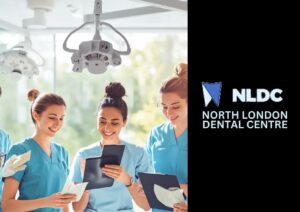
Top Skills North London Dental Practices Seek in Trainee Nurses
Modern dental practices rely heavily on skilled dental nurses who can support clinical workflows, reassure patients, maintain hygiene standards, and contribute professionally to the overall patient experience.